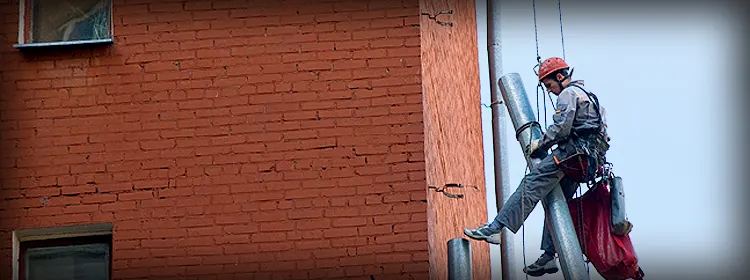
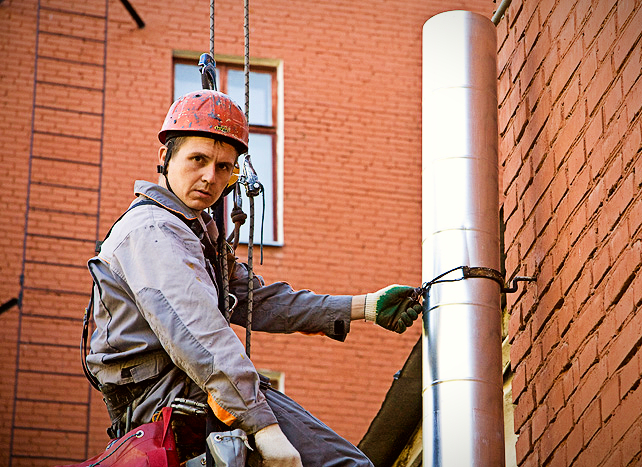
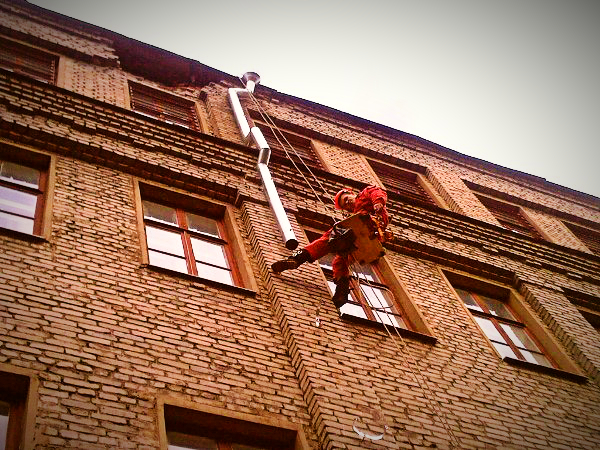
The drainage system performs an important function in protecting the walls and foundation of the building from the negative effects of precipitation. Water drainage increases the overall life of the house and prevents the appearance of dampness in the walls. We offer reliable and proven solutions for your buildings – high-quality systems and correct installation of pipes and gutters.
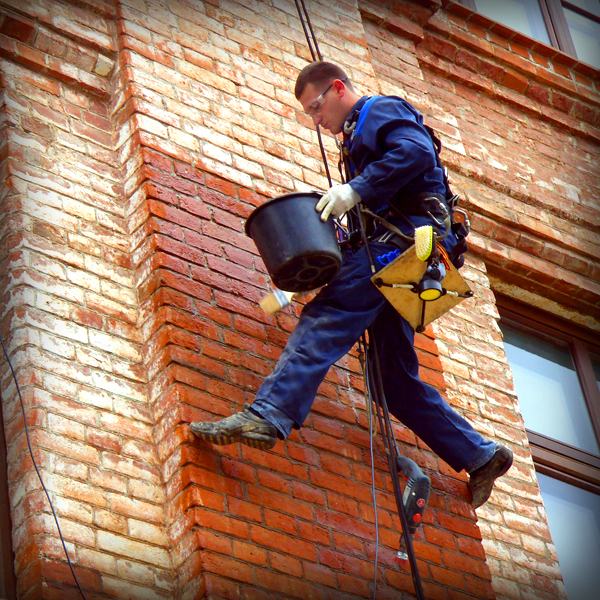
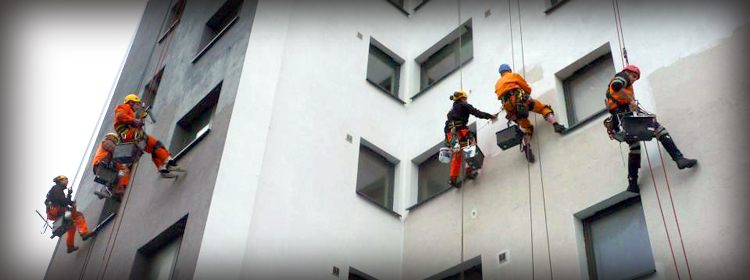
Our team of industrial climbers has extensive experience in the design and maintenance of drainage systems, proven suppliers of quality components and all the necessary equipment and tools for installation. The method of installing pipes by climbers allows the work to be done optimally quickly and with minimal labor costs.
Our clients are private customers, commercial and government agencies. We provide the same guarantee for all our work performed.
Our additional option – post-warranty service:
cleaning gutters from leaves, litter, moss;
removing icicles in winter;
installation of snow melting and anti-icing;
replacement of elements that may have been damaged due to force majeure.
Before calculating the cost of work, we carefully analyze the features of your building, its architectural and design features, so that the drainage system works optimally efficiently. In addition, we offer components that will harmoniously fit into the overall appearance of the facade.
By ordering the installation of gutters and gutters by climbers, you save money and get quality at the same level as installation from a scaffolding or aerial platform. We try our best to satisfy the needs of our Customers and we offer professional services at competitive prices.
You can get a free consultation or invite our specialist by phone (067) 25-82-999 or by sending a request to the mailing address: alpstar.kiev@gmail.com
Frequently Asked Questions (FAQ)
What are the advantages of installing gutters and downpipes specifically by industrial climbers?
Installation by industrial climbers saves time and money, as there is no need for expensive equipment such as aerial lifts or scaffolding. This also ensures access to the most complex sections of the facade and roof, guaranteeing installation quality comparable to traditional methods.
What services related to drainage systems do you provide?
We offer a full range of services, including: 1) Design and installation of pipes and gutters; 2) Post-warranty maintenance (cleaning gutters of debris, leaves, moss); 3) Removal of icicles in winter; 4) Repair and replacement of damaged elements.
What guarantees do you provide for installation work?
We provide a guarantee for all completed work, confirming the quality and reliability of the installed system. We use only verified components and high-quality tools.
How do you select the drainage system for a specific building?
Before calculating the cost, we thoroughly analyze the architectural, structural features, and dimensions of your building. This allows us to design a drainage system that will be maximally effective and harmoniously fit the overall facade design.
How can I request a cost estimate for installation?
You can receive a free consultation or invite our specialist to analyze the building and calculate the cost by calling (067) 25-82-999 or sending an email to alpstar.kiev@gmail.com.
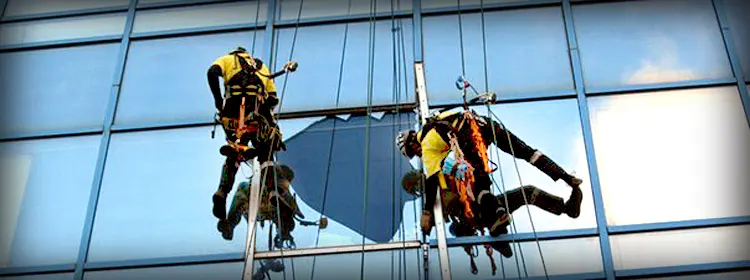
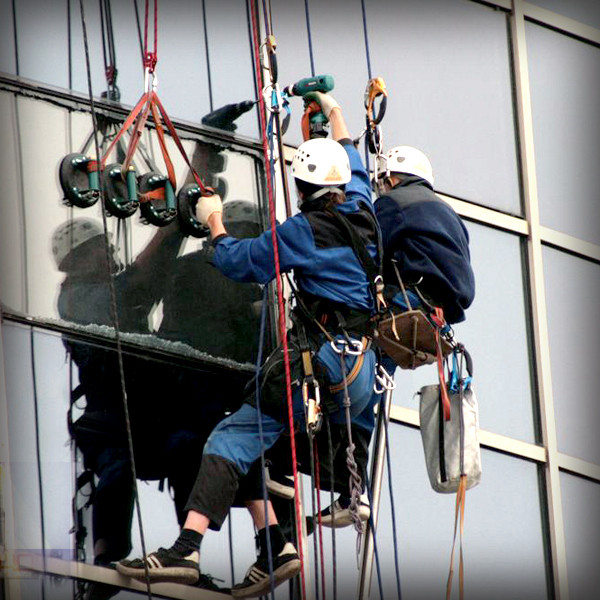
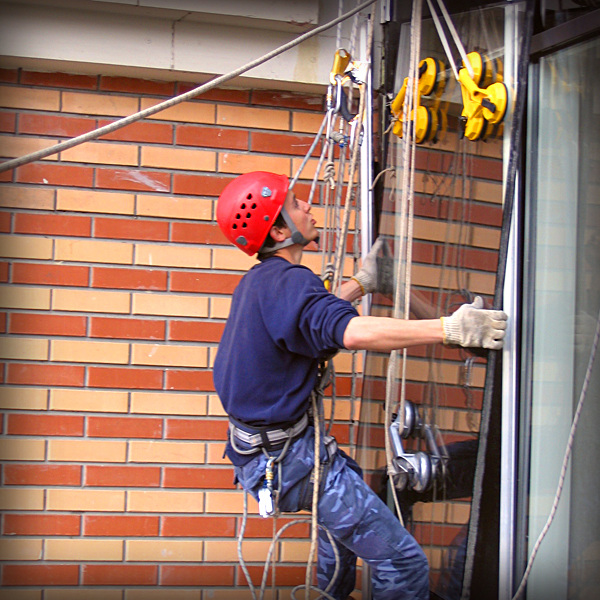
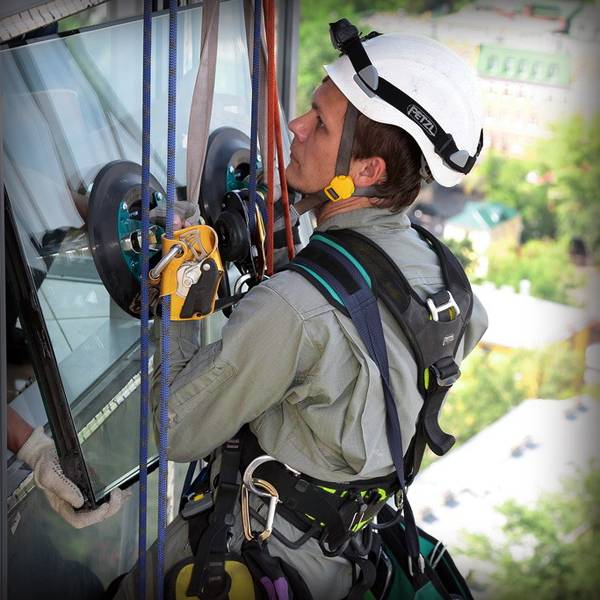
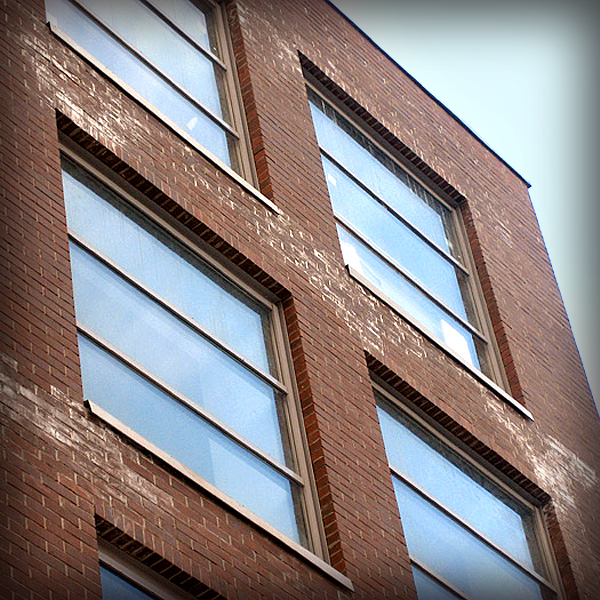
Glazing facades and replacing double-glazed windows at height requires high qualifications, precision, and strict adherence to safety regulations. Such work is relevant for multi-story residential buildings, office buildings, shopping centers, and facilities with panoramic glazing, where access to windows and stained glass is difficult or impossible from the ground. The use of industrial climbing methods allows for the replacement of double-glazed windows without dismantling facade structures and without interrupting the operation of the building.
Over time, double-glazed windows lose their airtightness, cracks and condensation appear, and heat and noise insulation deteriorates. Replacing double-glazed windows at height allows you to quickly eliminate these problems, restore comfort inside the premises, and prevent further damage to window systems. The work is carried out taking into account the type of glazing, the weight of the double-glazed window, and the features of the fastening, which is especially important for high-altitude installation.
During the glazing and replacement of double-glazed windows, specialists select the optimal solutions for each object, using modern double-glazed windows with energy-saving and impact-resistant characteristics. This allows you to improve the performance of windows and extend their service life without major repairs to the facade.
We perform the following works:
visual inspection of double-glazed windows by climbers outside the building with a photo report, identification of defects in glass, clamping elements, slopes, and joints;
measuring double-glazed windows at height in the absence of design documentation, with responsibility for the accuracy of dimensions;
manufacture of double-glazed windows with glass formula selection and prompt delivery to the site;
replacement of double-glazed windows on vertical facades with lifting, installation, and sealing of joints;
sealing of glazed facades without dismantling the glass unit in case of insulation failure.
The main factors affecting the cost of work:
Type and dimensions of the glass unit;
The height of the building and the complexity of access to the work site;
The scope of work and the number of elements to be replaced.
Professional replacement of double-glazed windows at height avoids the need for scaffolding and lifting equipment, reduces the time required to complete the work, and minimizes inconvenience to residents or employees of the building. This approach ensures safe and efficient glazing restoration with a guarantee of quality and strict compliance with occupational health and safety requirements, building codes, and safety standards.
If you want to invite our specialist or to hire our services, feel free to call us at +380 67 258 2999 or e-mail us at alpstar.kiev@gmail.com
Frequently Asked Questions (FAQ)
What is glazing and the replacement of glass units?
Glazing and replacement of double-glazed windows is the process of installing new windows or double-glazed windows in old or damaged frames, including removing the old glass, preparing the frame, and installing a new energy-saving double-glazed window. This is an important step in updating the appearance of a building and improving its energy efficiency.
Why is it important to replace glass units?
Replacing double-glazed windows can significantly increase the energy efficiency of a building, reduce heating and air conditioning costs, and improve sound insulation and safety. Old or damaged double-glazed windows can be a source of significant heat loss and noise penetration.
What are the advantages of modern glass units?
Modern double-glazed windows have high thermal insulation and sound insulation values. They help to retain heat in the premises in winter and keep them cool in summer, which helps to reduce energy costs. The new double-glazed windows also have increased safety due to the use of laminated materials.
How does the process of replacing glass units work?
The process involves several stages: dismantling old windows or double-glazed units, preparing the frame for the installation of new glass, lifting and installing a new double-glazed unit, sealing and finishing work. All this is done by professionals who ensure a high level of safety and accuracy.
How can I order the glazing and glass unit replacement service?
To order the service, you need to leave a request through the form on our website or call us. Our specialists will contact you to clarify all the details and prepare an individual offer.
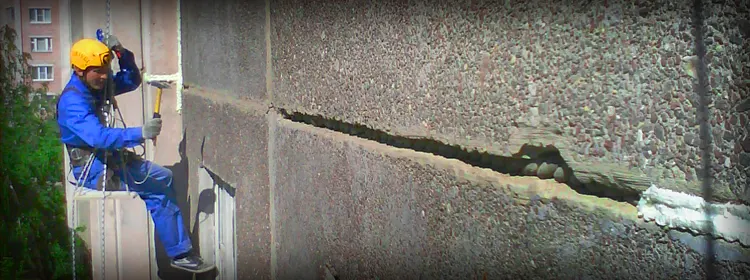
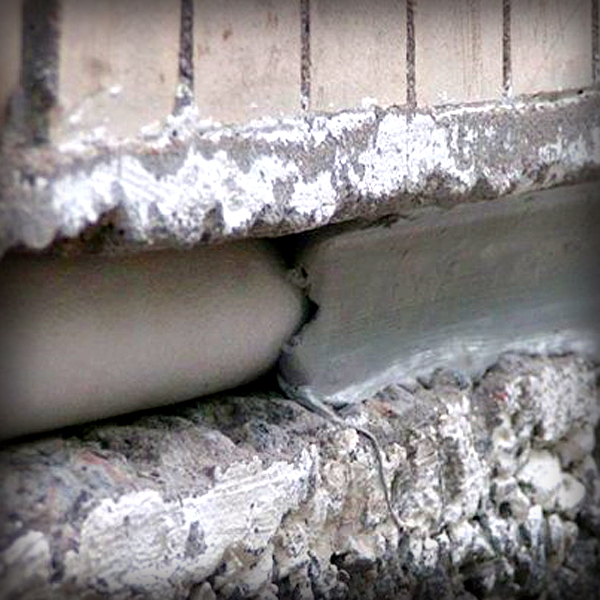
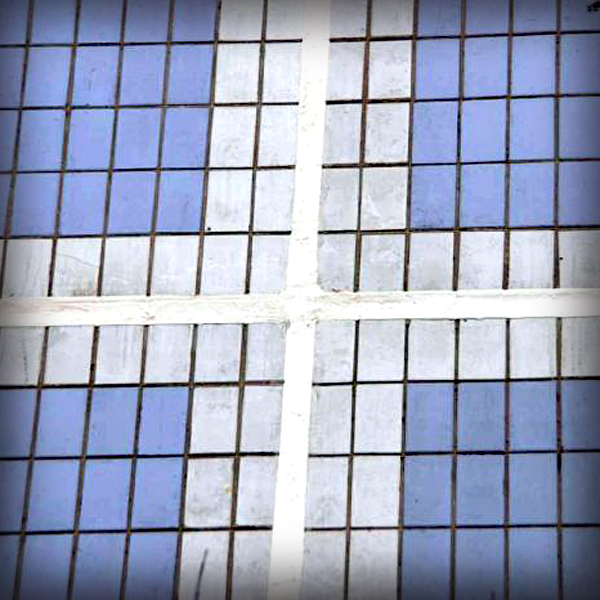
Sealing joints is an important step in protecting the facade from moisture, freezing, and premature destruction of structures. Over time, inter-panel and facade joints lose their elasticity, cracks appear, leaks occur, and cold bridges form. Industrial climbing allows you to seal joints at any height without installing scaffolding and lifts, which is especially relevant for residential and commercial buildings.
Sealing joints by climbers is used both in primary construction and during the operation of buildings. This approach makes it possible to quickly inspect the facade, determine the real causes of leaks, and select the optimal repair technology. Climbers seal joints using professional materials designed for long-term use in conditions of temperature fluctuations and atmospheric loads.
Types of work on sealing facade joints
Using their accumulated experience and modern materials, our employees will perform the entire range of joint sealing works:
Inspection of the facade for damage to the waterproofing of joints (photo report);
Primary sealing of interpanel joints;
Secondary sealing (without opening the seams);
Secondary sealing of the joint (with partial opening);
Secondary sealing (with filling the joint with Vilaterm and waterproofing);
Sealing using the “Warm Seam” technology;
Sealing of canopies, balconies, roofs in Kiev;
Sealing of joints and double-glazed windows.
Based on the nature of the damage to the seam, Alp Star specialists will select the optimal technology and necessary materials (hermobutyl, oxyplast, elur, or sazilast) and perform high-quality seam sealing in Kyiv. Depending on the materials selected, we provide a warranty of 3 to 7 years.
The cost of sealing work depends on:
Selected technology
The material used (as the cost of materials varies significantly);
The scope of work performed (the cost per linear meter when ordering 5 linear meters will differ significantly from the cost per linear meter when sealing all joints in an apartment or an entire riser).
The minimum cost of work and materials per 1 running meter is 150 UAH.
Professional sealing of joints using industrial climbing techniques allows you to restore the tightness of the facade, reduce heat loss, and extend the life of the building without major construction work.
If you want to get free-of-charge consultation or invite our specialist, please contact us at +380 67 258 2999 or by e-mail at alpstar.kiev@gmail.com
Frequently Asked Questions (FAQ)
Why is professional joint sealing necessary?
It protects the premises from drafts, wall freezing, and the appearance of harmful mold. High-quality sealing increases the building’s energy efficiency and helps to significantly save on heating costs.
How do I know if my building’s joints need repair?
Main signs include dampness in room corners, mold on walls, or noticeable drafts from under baseboards. You should also look for visible cracks and material peeling on the facade joints from the outside.
What sealing technology do you use?
We use the “Warm Joint” method, which involves cleaning the joint, installing insulation, and applying a waterproof mastic finish. This ensures maximum density and a long-lasting connection.
Can joint sealing be performed in winter?
Yes, the use of special winter sealants allows for installation at temperatures as low as -15°C. The main condition for high-quality material adhesion is a dry facade surface without active precipitation.
What determines the cost and how can I order the service?
The price depends on the total linear footage, the condition of the joints, and the complexity of access for climbers. For a free site evaluation, call (067) 25-82-999 or email alpstar.kiev@gmail.com.
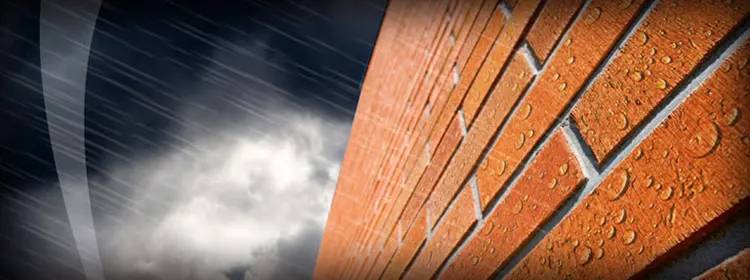
Waterproofness is a capacity of material to be resistant to penetration by water. Waterproofing of façade means a process of applying special coatings on façade surface up to its full saturation level, which results in ultimate resistance to the ingress of water from outside. Such coatings penetrate into the wall surface to a depth of 2 to 5 mm and form a thin film, which reduces entering water molecules into surface pores by 95%. In most cases, materials used to waterproof facades are colourless, that’s why the façade appearance remains almost unchanged. But if the Customer wants to change the façade colour, it is possible to add colouring agents into the waterproofing coating and to get the desired colour effects, e.g. wet effect. Chemical substances are steadily retained in the material and do not fade away in the long run. Waterproofing extends the useful life of façade up to 15 years and prevents salt efflorescence.
What surfaces can be treated with waterproofing agents?
Waterproofing treatment can be carried out on porous hygroscopic surfaces such as concrete, foam concrete blocks, aerated concrete blocks, brick, limestone blocks, lightweight expanded clay aggregate, various types of tiles, sand and cement renders, corrugated fiber cement sheets and slates as well as natural and artificial stone. As described above, façade waterproofing:
limits content of soluble compounds in walls;
increases density of building envelope materials and decreases their capillary density and penetration;
prevents rewetting.
In addition to the above listed advantages, façade waterproofing helps to:
enhance the thermal insulation characteristics of a surface;
improve corrosive resistance of a structure and increase frost resistance;
extend a lifespan of finish coatings and paints;
prevent microbial growth on façades.
Specific characteristics of the material to be treated help to choose a proper application technique and a type of waterproofing agents. In all cases, with no exceptions, before starting work, a wall should be cleaned from dust, cement traces, dirt and, what is a must, from salt efflorescence. After being cleaned, façade should be dried, and when the temperature is below +5 Сo, it’s time to start waterproofing work.
Relevant experience and expertise of Alp Star rope access technicians allow performing clean-up activities and waterproofing your building as soon as reasonably practicable.
If you want to get free-of-charge consultation or invite our specialist, please contact us at +380 67 258 2999 or by e-mail at alpstar.kiev@gmail.com
Removal of Salt Efflorescence from Facades
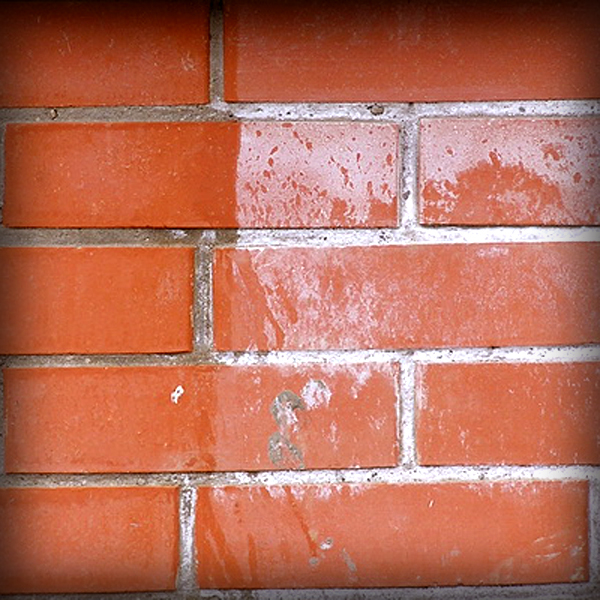
Almost all porous building materials of both artificial and natural origin are subject to salt efflorescence.
Façades can be stained when salts contained in bricks, cement, concrete, mortars, plasters, anti-freezing agents, plasticizers, etc. will come off the wall surface and form crystalline deposit of salts.
The chemical composition of efflorescence is a mixture of calcium, carbonate, potassium and other elements. Some of these elements are dissolved in water, but most of them can be removed only with the help of acid and alkaline solutions.
It should be noted that effloresce appears on the surface if there are the following three conditions are met:
Plasters, concrete or brickwork contain water-soluble salts (often sulphates).
Enough moisture is required for water to penetrate into the material and for salts to dissolve and to be then brought to the surface. Water carries salts to the surface and begins to evaporate, which makes salt stains invisible. The higher the ambient humidity, the more likely that efflorescence begins to appear as water begins to evaporate directly on the surface.
The material should be porous to carry a solution to the surface with further crystallization. Therefore, the higher the porosity of material, the stronger its capacity to wash away compounds and to form efflorescence.
It is very important to understand that in the absence of at least one of these three factors, efflorescence is impossible to appear on the surface. But heavy exposure to one or the other factor increases an intensity of salt migration.
Removing Efflorescence from Facades
To remove efflorescence, special flushing products are used. Salt removing agents should be rather strong to neutralize unwanted compounds and, at the same time, non-aggressive in order not to damage the façade cladding (brick, clinker tiles or rough raw stone).
It is impossible to remove efflorescence with water and brush since water having penetrated into walls moves away a new portion of salt, and rough brushes can damage the cladding.
Alp Star uses up-to-date products of local and foreign producers, which deeply and profusely penetrate into a wall for its full thickness, and compounds contained in such products effectively bring salt traces up to the surface.
After removing efflorescence from the façade, it is ultimately recommended to treat the surface with a proper waterproofing agent. It is of high importance as waterproofing agent can fill in clean pores of the material and prevent appearance of new efflorescence at all.
If you want to get free-of-charge consultation or invite our specialist, please contact us at +380 67 258 2999 or by e-mail at alpstar.kiev@gmail.com
Frequently Asked Questions (FAQ)
What is hydrophobization and what is its main effect?
It is the treatment of walls with special compounds that create an invisible water-repellent barrier. The main effect is protecting porous materials from moisture, freezing, and the gradual destruction of the structure.
For which facade materials is this procedure mandatory?
Hydrophobization is critical for brick, natural stone, concrete, and decorative plaster. It reliably prevents the appearance of efflorescence (white salt stains) and protects the surface from rapid dust accumulation.
How often should the hydrophobic coating be updated?
On average, the protective effect lasts from 5 to 10 years depending on the product composition and the building’s location. We use professional mixtures with high penetration capabilities that provide long-term protection.
Does the treatment affect the appearance or “breathing” of the walls?
Modern products do not change the color or texture of the facade and do not create a film, keeping the material vapor-permeable. This allows the walls to “breathe,” releasing excess moisture from inside the room to the outside.
How is the cost of facade hydrophobization calculated?
The final price depends on the total area, the porosity of the material, and the consumption rate of the selected protective compound. To find out prices, get a free consultation or request a specialist visit, call (067) 25-82-999.
Building facades are continuously exposed to negative and destroying effects. Sharp temperature drops, atmospheric precipitation, traffic-induced vibrations, UV radiation – these are the main contributors to the aging of facades. Exterior appearance of the building is its public image and reputation of a company. This is the main reason why it is highly important to have the façade timely inspected and repaired.
If to have in mind not only aesthetics of a building, then timely repair of facade can extend the lifetime of the building and keep its technical characteristics unchanged.
Alp Star has decades of experience in rope access repair and restoration of building facades in Kyiv. Thanks to modern rope access techniques and proper quality assurance, our professional industrial abseilers can manage all your tasks easily and effectively.
We provide the following services:
Inspection of facades to reveal defects;
Removal of old cladding from facades and cleaning;
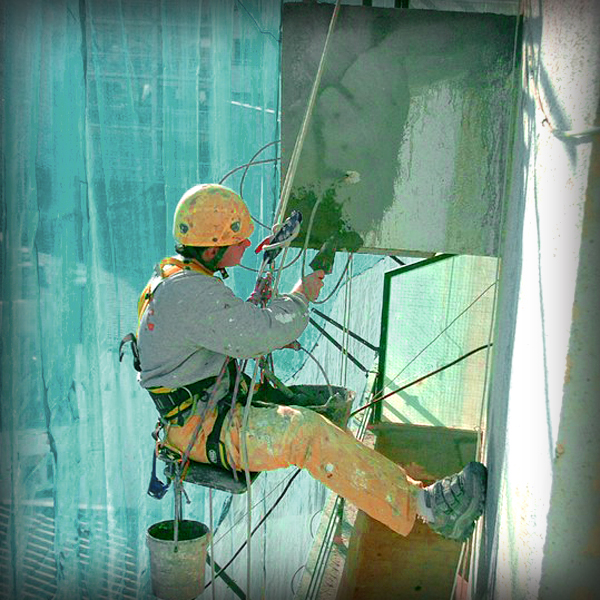
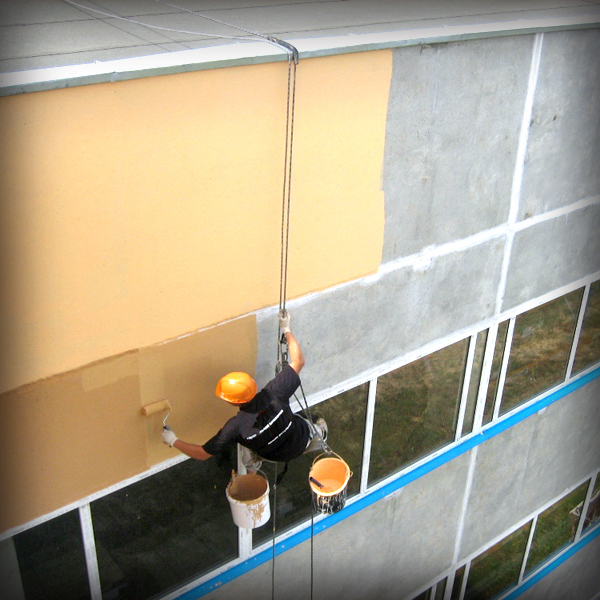
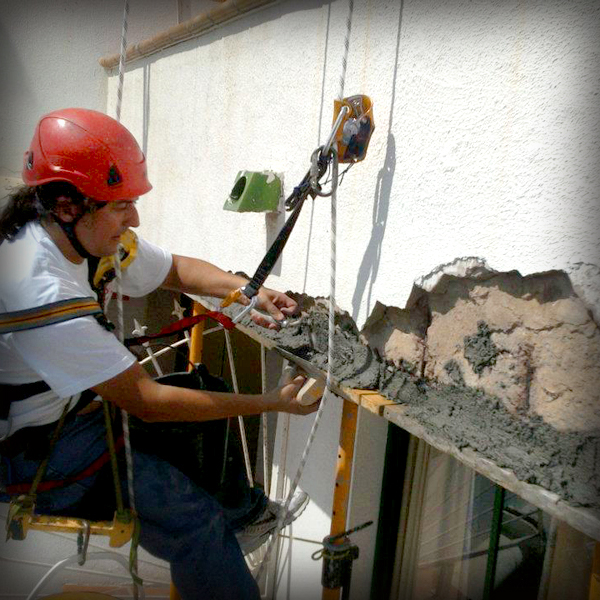
All types of finishing works, namely façade priming, rendering/plastering, spackling and painting;
Thermal insulation of facades in Kyiv;
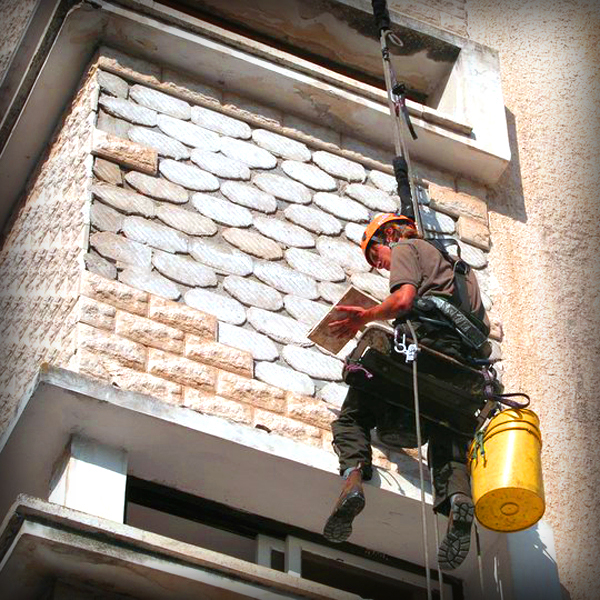
Restoration of decorative and architectural elements.
You are welcome to request our free-of-charge consultation and to invite our specialist to visit your property. All our rope access façade works are covered with a five-year warranty.
Alp Star deals with both private and state-owned properties and offers professional façade repair and restoration services for different type of buildings:
Residential properties such as detached houses and mansions;
Administrative and office buildings;
Multi-dwelling units and block properties;
Industrial buildings.
If you want to invite our specialist or to hire our services, feel free to call us at +380 67 258 2999 or e-mail us atalpstar.kiev@gmail.com
Facade Work Performance Steps and Their Specific Aspects
The same as there are no two identical persons on the Earth, there are no completely identical façades. Each and every façade is unique in terms of shape, size, cladding and severity of exposure to natural and man-made hazards. Therefore, in order not to face an issue of repairs every 2-3 years, Alp Star skilled rope access team selects the most appropriate set of works and materials in each separate case.
Facade works can be roughly divided into the following steps:
Facade inspection;
Development of restoration project design (if necessary);
Based on project design, development and approval of cost estimate documents, and execution of contract;
Obtaining approvals from competent government authorities in Kyiv;
Erection of scaffolding, platforms (boards) and installation of debris netting (in case of rope access, netting is not required);
Facade cleaning (removal of efflorescence, old rendering and painting coatings);
Facade priming – treatment of base layer;
Restoration of architectural elements (if required);
Preparation of surfaces for finish coating (plastering on beacons);
Application of quartz primer;
Facade decorative rendering (rustic-textured coating, vermiculite coating and others);
Facade painting (acrylic, silicate and silicone resin emulsion paints);
Installation of metal sills, drip caps and rainwater systems.
This list is not comprehensive, especially when it comes to overhaul of facades, which could require installation of steel structures for strengthening building envelope, shotcreting, marble or granite cladding.
Frequently Asked Questions (FAQ)
How much does façade repair cost and what does the price depend on?
The price depends on the façade area, the extent of damage, the type of materials, and the scope of work. We always prepare an individual estimate after inspecting the site.
How does the façade repair process start and what are the steps?
First, we inspect the façade and determine the scope of work, after which we prepare and agree on an estimate. Then we proceed with preparatory steps: removing the old coating, cleaning, and priming. The main stage includes plastering, puttying, and painting. We complete the work by restoring decorative elements, gutters, cornices, and window sills.
Are permits required for façade repair work?
In most cases, it is enough to notify or coordinate with local authorities. However, for large-scale work or if the architectural appearance of the building is altered, a special permit may be required.
What are the timeframes for facade repair?
The duration depends on the area, the extent of damage, and the complexity of the work. Usually, small façades are repaired within 1–2 weeks, while larger projects may take a month or more.
What guarantees do you provide?
We provide a guarantee both for the completed work and the materials used. The warranty period is at least 5 years.